Overview of motorcycle training courses
What motorcycle training courses cover
In South Africa’s bustling highways, mastery begins with the course you choose. If you’re asking what are motorcycle training courses, they map learning from balance and control to calm decision-making under pressure. A seasoned instructor once reminded me: “Training turns chaos into choreography.”
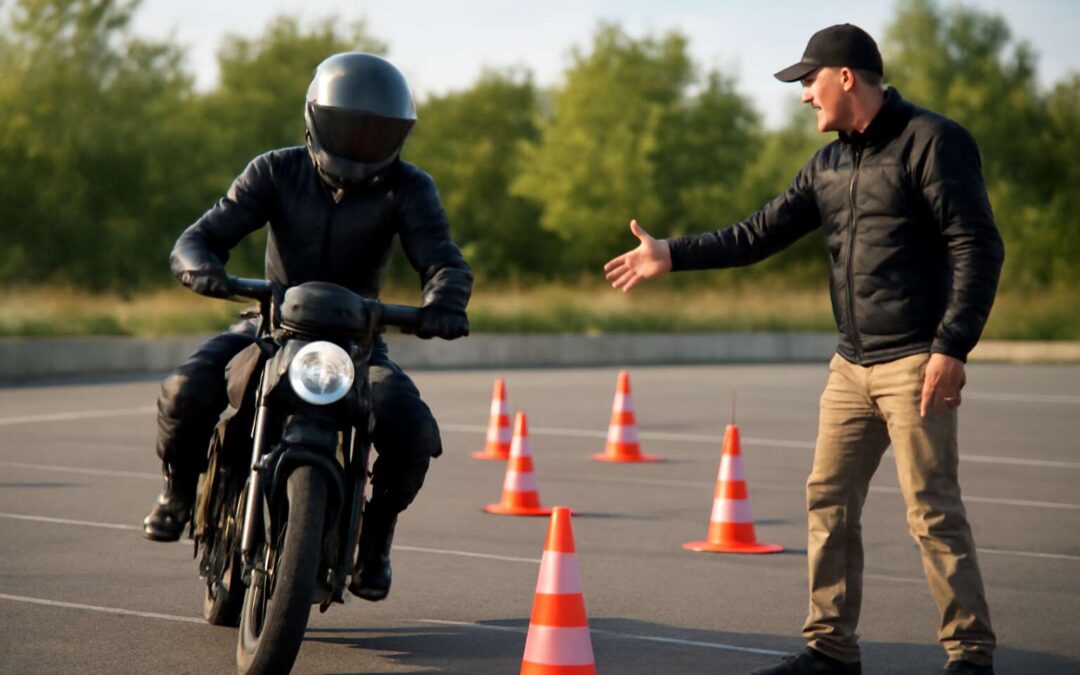
Courses blend theory with practical riding, focusing on rider safety, protective gear, and roadcraft tailored to local conditions. Expect instruction on pre-ride checks, braking precision, throttle control, and hazard perception, delivered through patient demonstrations and controlled on-road exercises.
- Core handling and balance
- Braking, throttle control, and gear use
- Cornering, lane positioning, and hazard recognition
- Maintenance basics and rider fitness
These programs are designed to build confidence while respecting RSA traffic realities, weaving caution with curiosity as riders develop instincts that keep pace with the road.
Why these courses are important for riders
Training reshapes risk into method. They map balance to calm decision-making and explain what are motorcycle training courses for South Africa’s busy roads. The right course turns chaos into choreography, a sentiment shared by seasoned instructors who’ve seen it all.
These programs matter because they establish a baseline in RSA traffic realities, bringing structure to the unpredictable. They foster confidence, reduce panic, and cultivate a mindset that treats every ride as a prepared, deliberate collaboration with the road.
- Better hazard perception and consistent control
- Safer decision-making in traffic, from urban jams to rural bends
- Structured, ongoing learning habits that keep skills fresh
- Respect for other road users and adherence to riding standards
From my experience, riders who commit to training approach every journey with a steadier tempo and sharper judgment—qualities that matter more than speed in South Africa’s streets.
How courses align with licensing and safety standards
Riding RSA roads is a nocturne of possibility and risk, a hum you learn to conduct. What are motorcycle training courses, if not a rite that tidies the wild rhythm of every ride? A seasoned instructor often whispers: training turns chaos into choreography, turning panic into preparation and speed into control. These programs braid balance with disciplined hazard perception, granting you a steadier presence on the road.
They also align with licensing and safety standards, ensuring your training translates into tangible on-road credibility:
- Clear progression that mirrors RSA licensing steps
- Practical modules in balance, braking, cornering
- Hazard perception and split-second decision-making
From the first slow turn to the last confident stop, what you learn becomes a quiet pact with the road, a discipline that grows with each ride.
Who should consider enrolling
Across South Africa, riders who complete a structured training course report markedly higher road confidence and control. The road tests us; training gives us a map for how to respond when fear arrives in a flash.
So, what are motorcycle training courses? They are purpose-built curricula delivered by accredited instructors, combining classroom theory with controlled-range practice and real-world riding. They guide you from fundamentals to nuanced handling, all designed to sharpen judgment and smooth the rhythm of each mile.
- New riders seeking a solid foundation
- Returning riders re-establishing balance after a break
- Riders aiming to upgrade licenses or refine hazard perception
In South Africa, these programs align with RSA requirements and foster a disciplined, instinctive presence on the road.
Types of motorcycle training courses
Beginning rider programs and learner permits
On a quiet South African dawn, the road stretches like a promise. If you’re wondering what are motorcycle training courses, they’re structured paths that turn hesitation into confident balance and road awareness, guiding riders from first rides toward lasting control. What a promise!
Types abound, but Beginning rider programs are the gentlest entry. They introduce clutch control, braking discipline, and safe cornering in a supportive environment. These courses often align with learner permits, giving learners practical on-road practice while reinforcing the theory behind everyday riding.
Intermediate and advanced rider courses
“Safety isn’t a destination; it’s a habit you cultivate with every cue of the road,” a South African instructor likes to say. If you’re asking what are motorcycle training courses, think of them as a ladder: intermediate and advanced programs that sharpen balance, perception, and throttle discipline.
Intermediate rider courses pick up from beginners and place you in real traffic, focusing on smooth transitions, braking rhythm, and confident cornering. You’ll practice observation and group riding—all while staying within your comfort envelope.
- Refined clutch-throttle harmony
- Controlled braking and traction
- Hazard perception and decision-making
Advanced rider courses push toward instinctive mastery: high-speed handling, precise cornering, and night or adverse-condition riding. The goal isn’t bravado but responses that feel inevitable on challenging roads.
Defensive riding and hazard perception
Defensive riding isn’t luck on two wheels—it’s a practiced reflex that keeps riders safe on South Africa’s varied roads. Riders often ask: what are motorcycle training courses, and why do they matter? They’re structured programs that sharpen observation, space management, and quick decision-making under pressure, turning risk into a manageable flow.
Defensive riding and hazard perception are the backbone of beginner-to-advanced modules, focusing on scanning for hazards, maintaining safe following distances, and choosing escape routes before trouble narrows the road. In real-life traffic, that proactive stance translates to smoother braking, steadier throttle, and calmer judgments around corners.
Within defensive riding, hazard-perception exercises cover several core elements:
- Observation and scanning techniques
- Safe following distances and space management
- Predictive braking and cornering under pressure
These courses strike a balance between safety theory and on-road intuition, always tuned to South Africa’s road realities—where one moment of misjudgment can be costly, and one well-timed adjustment saves a ride home.
On-road, off-road, and track-based options
Riding is a dialogue with the road, and training is the rune that keeps the conversation honest! Across South Africa’s hills and highways, what are motorcycle training courses if not curated quests to sharpen perception, spacing, and steel-quiet decision-making under pressure? These programs unfold as practical sagas, guiding riders from cautious beginnings to confident cadence.
- On-road courses — traffic scanning, safe spacing, and riding with cadence in shared lanes.
- Off-road courses — bike handling on gravel, loose surfaces, and controlled falls in a safe arena.
- Track-based courses — precision at apex, throttle finesse, and line choice under controlled pace.
On-road, off-road, and track-based pathways meet riders wherever they stand on their journey, turning every twist into a moment of clarity rather than guesswork.
How to choose the right course
Regulatory requirements by region
Regulatory requirements by region cast long shadows over training choices. what are motorcycle training courses becomes a compass, not a map, guiding riders toward safety and legitimacy. In South Africa, licensing sits with provincial authorities within a national safety framework, and courses should mirror those standards so the certificate carries weight at the licensing office. The right program anticipates the exam, the paperwork, and the rhythm of the road beyond the classroom.
- Accreditation with SA licensing authorities and recognized training bodies
- Clear alignment with the licence category for motorcycles and provincial testing pathways
- Documentation the licensing office will accept when applying for your licence
- Incorporation of practical on-road elements if required by region rules
The choice becomes a pact with the road: select a course that respects the law and the poetry of riding in South Africa.
Curriculum quality and instructor credentials
Choosing the right course for a rider’s journey is no mere formality; it’s a pact forged in steel and streetlight. What are motorcycle training courses? They promise safety and legitimacy, not as a checklist but as a living compass. Look for curriculum depth that speaks to the licensing pathway and instructors whose years behind the handlebars translate into clarity and calm on the road.
- Curriculum quality that aligns explicitly with licensing requirements and regional testing styles
- Instructors’ credentials, ride-tough experience, and ongoing professional development
- Clear assessment, constructive feedback, and opportunities for practical on-road elements where rule sets permit
Then verify accreditation and transparency: the program should illuminate the path from classroom concepts to real-world rhythm, supporting both safety and the letter of the law.
Schedule, duration, and delivery format
Riding is a dialogue between body, bike, and street. The right course tunes that conversation into confidence, speed, and safety. “The road remembers,” a veteran coach once said, “so choose a program that teaches you to listen.” If you’re wondering what are motorcycle training courses, look for one that feels like a living compass—shaped by licensing paths and real-world rhythm across South Africa’s varied roads.
Schedule, duration, and delivery format should harmonize with your life. Seek weekday theory bites, weekend on-bike sessions, or modular blocks you can stack toward a license. Ensure the duration is sufficient to build muscle memory without fatigue, and that the format blends classroom theory with practical riding where permitted by local rules.
- In-person practical sessions on weekends
- Online theory modules with guided on-road drills
- Hybrid programs that mix both elements
That blend stays true when traffic shifts.
Cost, prerequisites, and value for money
Cost is the heartbeat of choosing the right course, yet it alone doesn’t tell the full story. When you ask what are motorcycle training courses, you’re weighing more than fees; you’re judging prerequisites, schedule compatibility, and the promise of true road-confidence. In South Africa, transparent pricing and clear licensing alignment help the road ahead reveal its hidden traps—and guide you to a program that feels like a living compass.
Value for money surfaces where theory, practice, and certification rhyme. Look for pricing that spell out inclusions—from manuals to on-bike hours—and verify prerequisites match your licensing stage. The cheapest path rarely wins; the wiser choice balances cost with qualified instructors, robust safety hygiene, and a track record of real-world outcomes.
- Cost transparency and inclusions
- Prerequisites and licensing alignment
- Value for future riding and certification outcomes
Benefits and outcomes of completing training
Safer riding and reduced accident risk
Riding is a dance with the road, and in South Africa the rhythm tightens when training shines a light on confidence. Recent data suggest riders who complete training reduce crash risk by up to 40%. Anyone asking what are motorcycle training courses will find that the journey is as much about mindset as mechanics—a transformation that turns hesitation into precision and hazard into anticipation!
- Sharper hazard perception and quicker, smoother responses
- Improved control in corners, braking, and at intersections
- Enhanced courtesy and predictability alongside other road users
Beyond the ride, safer riding habits ripple into daily life, lowering stress on families and opening routes to adventure with fewer interruptions. The road becomes a canvas where practice meets instinct, and the result is a calmer, more capable rider on South Africa’s streets.
Licensing benefits and insurance considerations
South African riders who complete training report noticeable shifts in confidence and control. What are motorcycle training courses but the blueprint of disciplined riding and calmer nerves on busy streets? The payoff is practical: smoother braking, steadier cornering, and a more predictable ride under pressure. The result is safer journeys for riders and families alike.
Licensing benefits and insurance considerations form a practical corollary. With recognized training, you may experience a swifter licensing path and clearer eligibility criteria, while insurers reward risk-aware riders with lower premiums or more favourable terms.
- Proof of training supports licensing applications or skill demonstrations
- Potential premium discounts from insurers recognising safer riders
- Improved claim handling due to demonstrated competency
- Better policy terms and coverage clarity for riders who trained
Skills development and rider confidence
In South Africa’s urban maze, what are motorcycle training courses but a lantern in the fog—shaping balance, focus, and nerve into a disciplined riding form. They turn raw bravado into measured control, guiding riders through the clamor of city traffic and the quiet of open roads alike.
Skills development and rider confidence bloom as training embeds muscle memory and hazard perception. The benefits are tangible:
- Smoother braking and throttle control for confident, controlled stops
- Steadier cornering through disciplined body position, vision, and line choice
- Calmer nerves amid urban chaos, enabling clearer decisions under pressure
Ultimately, the result is safer journeys for riders and families alike. A steadier ride under pressure translates to predictable responses when unexpected hazards appear and a more enjoyable, less exhausting experience on long hauls across South Africa’s diverse roads.
Pathways for ongoing education and progression
Finishing a course isn’t a finish line—it’s a launchpad. Graduates report steadier braking, refined throttle control, and calmer nerves when urban chaos ramps up. That awareness starts with understanding what are motorcycle training courses and how they translate into real‑world safety.
Pathways for ongoing education open once the certificate is in hand: refresher workshops, advanced hazard-perception modules, on-road coaching, and occasional track days. These credentials accumulate into a flexible ladder, letting riders tailor progression to riding style, routes, and ambitions.
- Refresher sessions and micro-credentials
- Advanced hazard-perception and decision-making
- On-road coaching and mentor rides
- Track-based performance days for feedback
Beyond safety, these pathways mean more confident commutes, easier insurance negotiations, and richer road trips across SA’s diverse landscapes. It’s education with wheels—practical, breathable, and surprisingly satisfying.