
South Africa military training programs overview
Foundational boot camp and entry requirements
In the dawn-lit corridors of South Africa’s defense, a striking statistic echoes: roughly 75% of recruits graduate from foundational boot camps, poised for service. I have watched it transform strangers into steadier selves. The journey through military training courses in south africa is more than grit—it forges mind, body, and will.
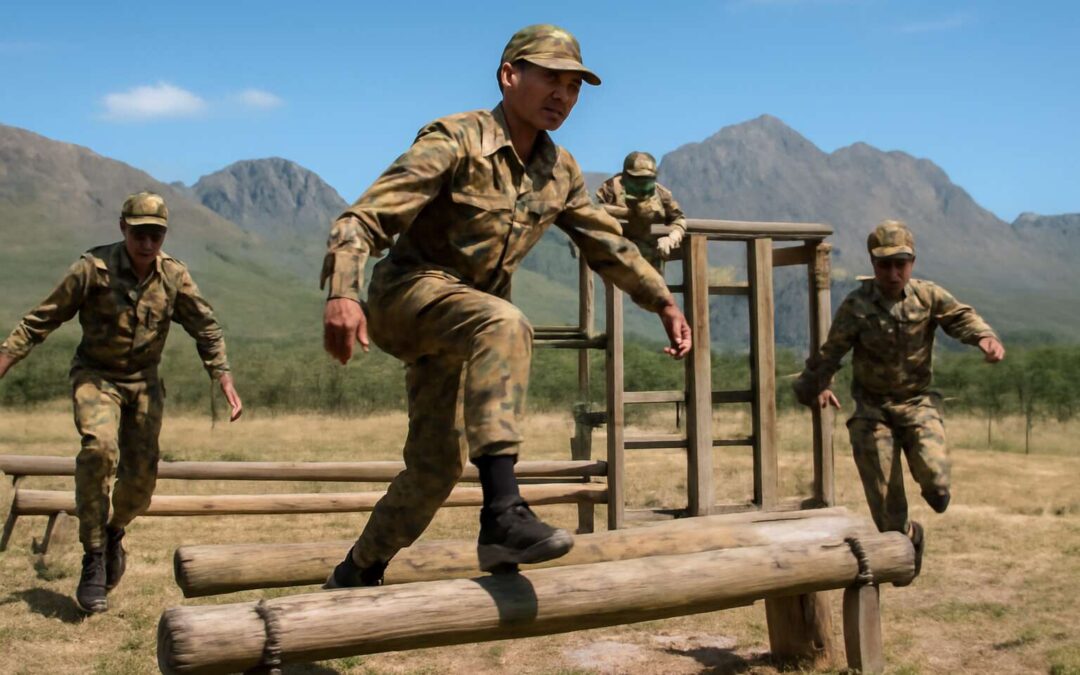
Foundational boot camp sets a tempo: conditioning, drills, and seamanship. Entry requirements test character as surely as muscle. This path blends endurance with teamwork, teaching you to hear orders and respond with calm precision under pressure. This is a taste of military training courses in south africa, where foundations are laid.
- Age: typically 18 or older
- Citizenship: South African citizen or approved resident
- Medical fitness: certificate from a qualified clinician
- Physical fitness: pass a standard military assessment
- Background: clear conduct and no disqualifying records
Every recruit carries night into day—transformed by discipline the moment the parade ground opens.
Discipline specific training tracks
A trainer once said: “Discipline is the engine of skill.” I’ve watched recruits flip the switch, turning hesitation into precision as they transition into discipline-specific tracks. These tracks sit inside the broader framework of military training courses in south africa, designed to shape specialists as much as generalists.
- Combat arms and marksmanship
- Signals and communications
- Engineering and technical services
- Logistics and support
These tracks emphasize safety, teamwork, and problem solving. They prepare specialists to apply core skills in real-world settings with steady mentorship.
Advanced tactical and leadership courses
“Discipline is the engine of skill,” and it rings true in South Africa’s advanced programs. These tactical and leadership courses sculpt decision-makers who translate theory into action on the ground, blending grit with reflective practice and a deep respect for teamwork.
Key components blend live simulations with mentorship and debriefs. The elements include:
- Scenario-based exercises and quick-decision drills
- Adaptive leadership modules and peer coaching
- Joint planning and cross-functional teamwork
Across rural campuses and urban ranges, instructors share stories that shape character as surely as technique. Graduates leave with sharper communication, steadier judgment, and a readiness to guide others. If you’re exploring military training courses in south africa, these pathways offer depth and purpose.
Support, technical, and civilian pathways
On South Africa’s training landscapes, every cohort starts with a simple truth: skill accrues in consistent practice. “Preparation is the quiet engine behind action,” and this is where discipline meets purpose! This ecosystem underpins military training courses in south africa, spanning three main streams: support roles that keep units running, technical specialties that keep gear humming, and civilian pathways that open doors to public service and private-sector collaboration.
Three streams anchor the system: support roles that keep units running, technical specialties that keep gear humming, and civilian pathways that open doors to public service and private-sector collaboration.
- Support services and logistics
- Technical trades and maintenance
- Civilian career channels and partnered training programs
Across rural campuses and urban ranges, instructors shape character as surely as technique. Graduates leave with sharper communication, steadier judgment, and a readiness to guide others, contributing to the broader mission of security in South Africa.